
About
The Cincinnati Rollergirls is Cincinnati’s first amateur flat track roller derby team. Founded in late 2005 by Christa Zielke and the late Paula Estes, the team is owned and operated by its skaters, who represent a wide range of ages, backgrounds and occupations.
 As a member of the international Women’s Flat Track Derby Association, CRG fields two competitive squads for inter-league play: the Black Sheep, the varsity or A team; and the Violent Lambs, the JV or B team. In 2025, CRG began holding practices and games at The Apex, a new dedicated roller derby venue in Cincinnati’s Northside neighborhood. The team previously played at Queen City Sportsplex (formerly Sports Plus) in Evendale, Schmidt Memorial Fieldhouse and Cintas Center at Xavier University, and the historic Cincinnati Gardens.
The skaters, coaches, officials and support staff of the Cincinnati Rollergirls are all volunteers. Skaters buy their own skates, gear and uniforms and also pay monthly dues. All proceeds from ticket and merchandise sales, skater dues and sponsorships go back to the organization to cover the costs of venue and practice space rental, home game production, insurance, travel, tournament fees, marketing and advertising.
The Cincinnati Rollergirls have received many accolades from the community. Former Cincinnati Mayor Mark Mallory declared June 19, 2010 Cincinnati Rollergirls Day, and the Cincinnati Rollergirls have been voted Cincinnati’s Best Amateur/Semi-Pro Team by CityBeat readers nearly every year since 2011. The team also gives back to the community by volunteering at community events and making donations to local nonprofit organizations.
To stay up to date on the latest CRG news, like us on Facebook, follow us on Instagram and watch us on YouTube.
-

Crystal Whip #154 Crystal Whip #154
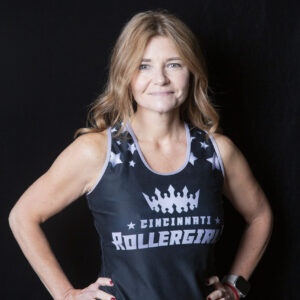
- Derby name: Crystal Whip (she/her)
- Skater number: 154
- Position(s): Blocker
- Derby debut year: 2017
- CRG debut year: 2017
- Gear: Riedell Bluestreak/Venus plates/Halo wheels
- Derby awards: Rookie of the Year, Fall 2018; Cherry Choke Award, 2018
- Fun fact: I was a Delta ✈️ flight attendant for 17 years!
-

Motley Crouton #36 Motley Crouton #36
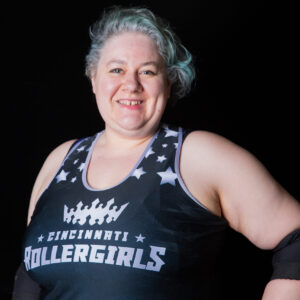
- Derby name: Motley Crouton
- Skater number: 36
- How did you choose your derby name? It was on the side of a bar in upstate NY advertising for a cover band. My teammates said, “Hey that’s a good derby name! You don’t have one yet!” And thus it just sort of happened.
- Position(s): Blocker
- Derby debut year: 2009
- CRG debut year: 2019
- Previous sports/athletic background: Basketball/track in grade school and high school
- Gear: 187 pads
- Cross-training regimen: Lifting weights
- Derby awards: Got some MVP blocker awards in my previous league
- Fun fact: I analyze DNA tests for a living!
-

Ursa Maimer #116 Ursa Maimer #116
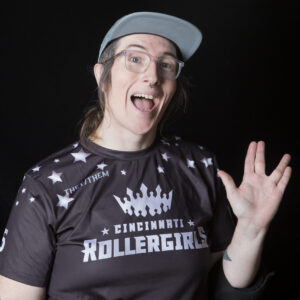
- Derby name: Ursa Maimer (they/them)
- Skater number: 116
- How did you choose your derby name? It’s an astronomy joke on the constellation Ursa Major, and also Ursa means bear in Latin and that’s pretty tough.
- Position(s): Mostly jammer
- Derby debut year: 2019
- CRG debut year: 2019
- Previous sports/athletic background: Football in middle school
- Gear: Antik skates, 187 pads
- Cross-training regimen: Not enough ?
- Derby awards: I won MVP Jammer three times in my first season.
- Fun fact: I’m a casual speaker of the Klingon language from Star Trek.
-

Francis Von Deathenstein #800 Francis Von Deathenstein #800
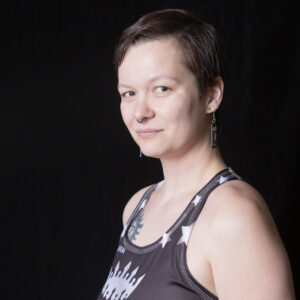
- Derby name: Francis Von Deathenstein (they/them)
- Skater number: 51
- How did you choose your derby name? I go by Frankie and when people ask what it’s short for I always want to answer “Frankenstein.” My derby nickname is “Deathy” so I figured why not combine them?
- Position(s): Blocker
- Derby debut year: 2017
- CRG debut year: 2018
- Previous sports/athletic background: Softball in grade school
- Gear: TSG knee pads, S1 helmet, 187 Killer elbow pads and wrist guards
- Cross-training regimen: Yoga and chasing after three kids
- Derby awards: 2019 Cherry Choke Dedication Award
- Fun fact: I worked in a video game store for 10 years.
-
Krystonite #10 Krystonite #10
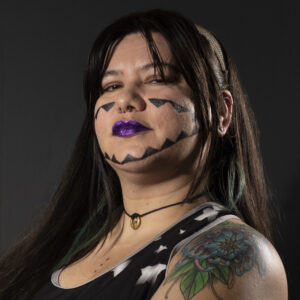
- Derby name: Krystonite (she/her)
- Skater number: 10
- How did you choose your derby name? Because I can make any Super Man weak.
- Derby debut year: January 2017
- CRG debut year: May 2019
- Previous sports/athletic background: High school soccer
- Gear: Bont Hybrid skates
- Cross-training regimen: Soccer training with the fam, and I just started yoga
- Fun fact: “I was attacked by a chicken as a child and now I exact my revenge by eating a lot of nuggets. Turns out revenge is a dish best served with buffalo sauce.”
-

Fitzkrieg #603 Fitzkrieg #603
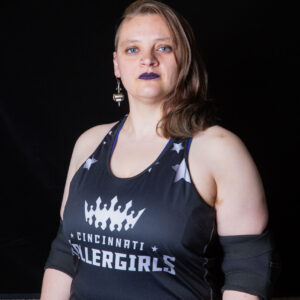
- Derby name: Fitzkrieg
- Skater number: 603
- How did you choose your derby name? It’s a play on my last name.
- Position: Bench coach
- Derby debut year: 2020
- CRG debut year: 2020
- Previous sports/athletic background: Snowboarding, skiing, running, rugby, softball
- Gear: 187 pads and Bont skates
- Fun fact: I’ve been to the Arctic Circle.
-
Jackie the Ripper #100 Jackie the Ripper #100
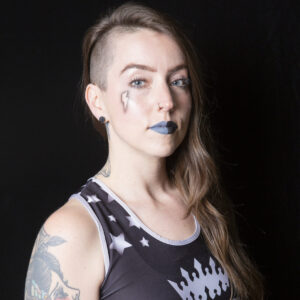
- Derby name: Jackie the Ripper (she/they)
- Skater number: 100
- Derby debut year: 2020
- CRG debut year: 2020
- Previous sports/athletic background: Competitive dance, aerial acrobatics
- Gear: S1 Helmet, SISU Mouthguards, Killer 187 Knee Pads and Elbow Pads, Atom Wrist Guards, Antik AR2 Skates with a Powerdyne Reactor Pro Plate, Radar Halo Wheels
- Cross training regimen: Park skating
-
Whitlash #40 Whitlash #40
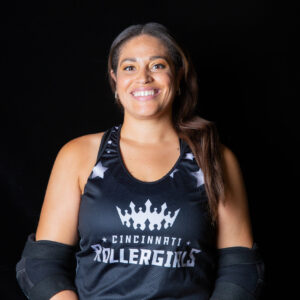
Derby name: Whitlash
Skater number: 40
Derby debut year: 2020
CRG debut year: 2020
Previous sports/athletic background: Pole vaulting, basketball, volleyball
Cross-training regimen: Running, HIIT
-
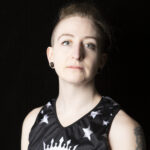
Star Flatten’em #71 Star Flatten’em #71
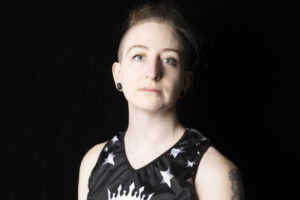
- Derby name: Star Flatten’em (they/she)
- Skater number: 71
- How did you choose your derby name? It’s a Jojo reference.
- Position: Jammer, PR Director
- Derby debut year: 2022
- CRG debut year: 2022
- Previous sports/athletic background: Track and field and cross country in high school.
- Gear: 187 Killer Pads, Bont Prostar skates, Radar 88A wheels
- Cross-training regimen: Strength training 3x per week, running, cycling
- Fun fact: I’m a huge Jeopardy! nerd. Bucket list item #1 is to make it on the show one day.
-

Kat A Strophic #05 Kat A Strophic #05
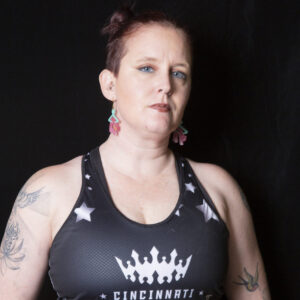
- Derby name: Kat a Strophic (she/her)
- Skater number: 05
- How did you choose your derby name? I love cats and will one day be the crazy cat lady so I picked one with cat in it. And with my number, I’m Kat 5 like a hurricane (or an ethernet cable).
- Position(s): Blocker
- Derby debut year: 2022
- CRG debut year: 2022
- Previous sports/athletic background: This is my first team sport.
- Fun fact: I was a dancer for 15+ years and danced for two years at Kings Island.
-
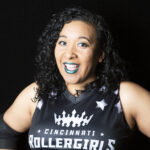
Shocka, When the Walls Fell #519 Shocka, When the Walls Fell #519
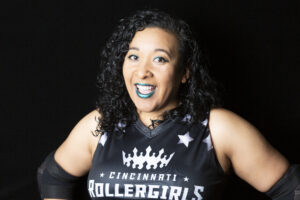
- Derby name: Shocka, When the Walls Fell (she/her)
- Skater number: #519
- How did you choose your derby name? I equally love puns and Star Trek. Put the two together and *chefs kiss*, pure magic! My name is a reference to one episode, and if you get it, it’s really fantastically funny and appropriate. If you don’t, it’s like my mom says “well, that’s just precious like a lamb.”
- Position(s): Hopefully anywhere but the penalty box
- Derby debut year: 2013 (Sac City Rollers)
- CRG debut year: 2022 — woo hoo! Outta retirement!
- Previous sports/athletic background: Martial arts
- Gear: Janky
- Cross-training regimen: Weightlifting, running, positive affirmations from my dog
- Derby awards: Yes
- Fun fact: Because we take marriage super seriously, my husband and I exchanged wedding vows in a game show-themed, cereal-laden, pun battle complete with flying rubber chickens and homage to Pee Wee Herman and the Addams Family.
-
Chile Con Carnage #13 Chile Con Carnage #13
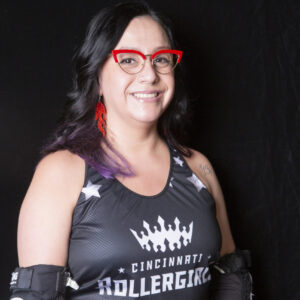
- Derby name: Chile Con Carnage (She/her)
- Skater number: 13
- How did you choose your derby name? I wanted something that was part of my culture ! I’m bilingual so something in Spanish was something I wanted !
- Derby debut year: 2022
- CRG debut year: 2022
- Previous sports/athletic background: Softball
- Fun fact: My first job was in a Broadway play “Joseph and the amazing technicolor dream coat” when I was 12
-
Pain Austen #711 Pain Austen #711
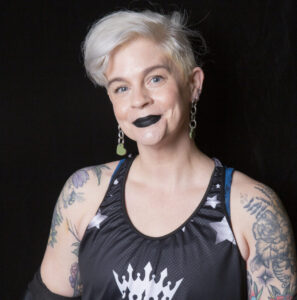
- Derby name: Pain Austen (She/her)
- Skater number: 711
- How did you choose your derby name? English teacher nerd who loves books!
- Derby debut year: 2022
- CRG debut year: 2022
- Previous sports/athletic background: Soccer
- Cross Training: Peloton obsessed/HardCORE on the Floor daily weightlifting
- Fun fact: I’ve broken 13 bones (on 13 separate occasions) prior to my derby career!
-
CleoPAINtra #6 CleoPAINtra #6
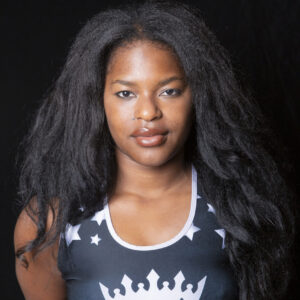
- Derby name: CleoPAINtra (she/her)
- Skater number: 6
-
ROOthless #22 ROOthless #22
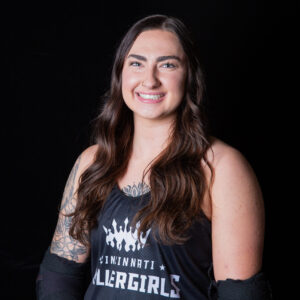
- Derby name: ROOthless (She/her)
- Skater number: 22
-

Avalanche #48 Avalanche #48
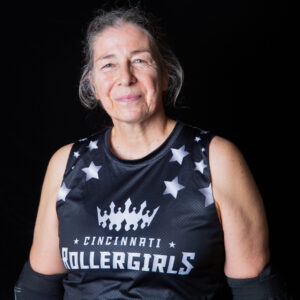
- Derby name: Avalanche
- Skater number: 48
-
Gore-gon #933 Gore-gon #933
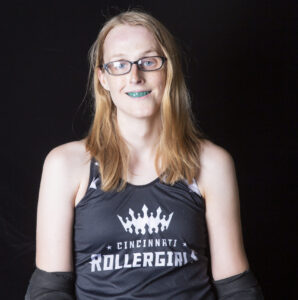
- Derby name: Gore-gon
- Skater number: 933
-

Bug Smasher #88 Bug Smasher #88
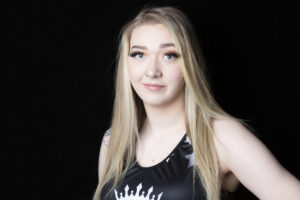
- Derby name: Bug Smasher (she/her)
- Skater number: 88
-
Junie B. Bones #33 Junie B. Bones #33
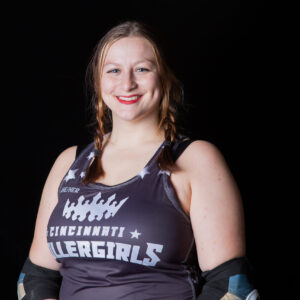
- Derby name: Junie B. Bones
- Skater number: 33
-

Syke #721 Syke #721
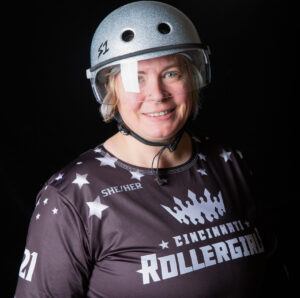
Skater Name: Syke
Skater Number: 721
-

Machete Mama #777 Machete Mama #777

Skater Name: Machete Mama
Skater Number: 777
-

Robin Jewels #16 Robin Jewels #16
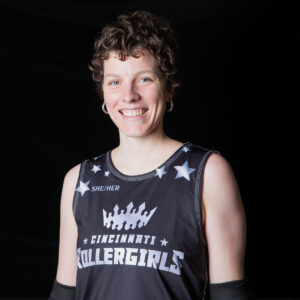
Skater Name: Robin Jewels
Skater Number: 16
Pronouns: she/her
-

Clairella de Vil #423 Clairella de Vil #423
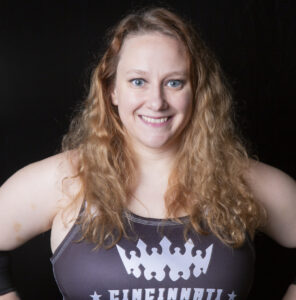
Skater Name: Clairella de Vil
Skater Number: 423
Pronouns: she/her
-

a-MEAN-o Acid #83 a-MEAN-o Acid #83
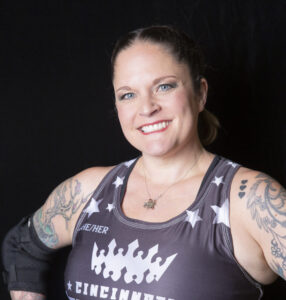
Name: a-MEAN-o Acid
Number: 83
Pronouns: she/her -

Andee WarDoll #517 Andee WarDoll #517
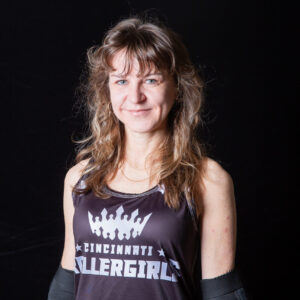
Name: Andee WarDoll
Number: 517
Pronouns: she/her -
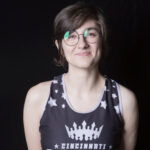
Chelsea Dragger #27 Chelsea Dragger #27
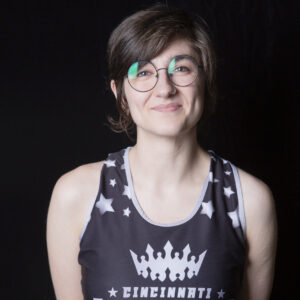
Name: Chelsea Dragger
Number: 27
Pronouns: she/her -

Cutthroat Karen #26 Cutthroat Karen #26
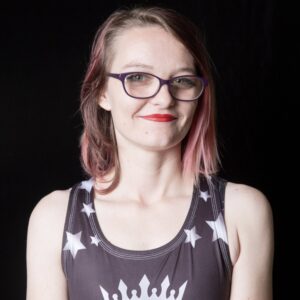
Name: Cutthroat Karen
Number: 26
Pronouns: she/her -

Foxy Bloxy #137 Foxy Bloxy #137
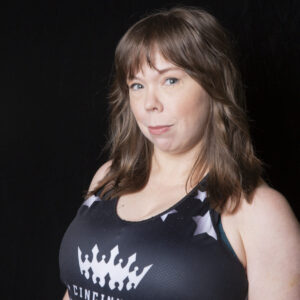
Name: Foxy Bloxy
Number: 137
Pronouns: she/her -

Greta #555 Greta #555
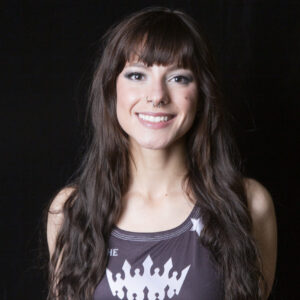
Name: Greta
Number: 555
Pronouns: she/her -

Harley Trinn #43 Harley Trinn #43
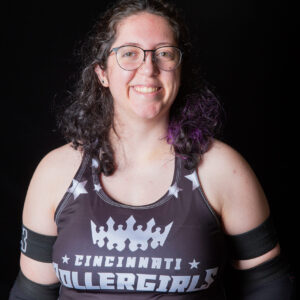
Name: Harley Trinn
Number: 43
Pronouns: they/them -

Lethal Lynz #35 Lethal Lynz #35
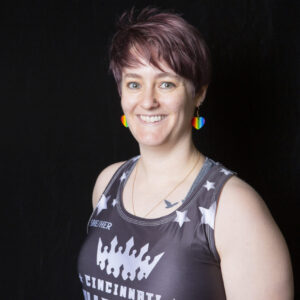
Name: Lethal Lynz
Number: 35
Pronouns: she/her -
Rose Rose
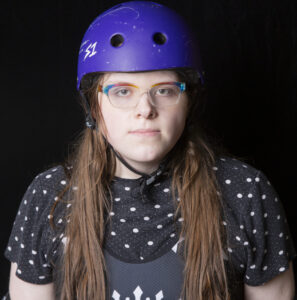
Name: Rose
Pronouns: she/her -

Shipwreck #66 Shipwreck #66
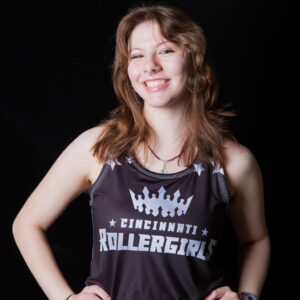
Name: Shipwreck
Number: 66
Pronouns: she/they -
Tragedy Ann #222 Tragedy Ann #222
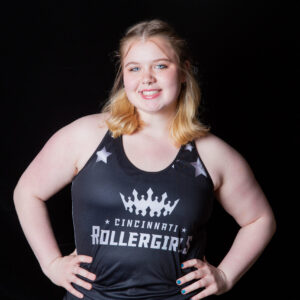
Name: Tragedy Ann
Number: 222
Pronouns: she/her
-

Kostasaurus #21 Kostasaurus #21
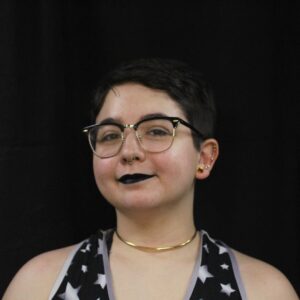
- Derby name: Kostasaurus (they/them)
- Skater number: 21
- How did you choose your derby name? The Kotasaurus is a large vegetarian dinosaur that lived in the early Jurassic period. As a small vegetarian living in the Quaternary period, I strive to block as big as the Kotasaurus.
- Position(s): Anywhere I’m told to go
- Derby debut year: 2014
- CRG debut year: 2017
- Previous sports/athletic background: Competitive figure skating and dance
- Fun fact: I have two angelic cats and they’re tattooed on my leg.
-

Jeff Sevier Jeff Sevier

- Derby name: Jeff Sevier
- Position: Photographer
- CRG debut year: 2006
- Gear: Nikon, Mac, Puma
- Links: Jeff on Flickr
-

Jason Bechtel Jason Bechtel

- Derby name: Jason Bechtel
- Position: Photographer
- CRG debut year: 2006
- Gear: Nikon
- Links: Jase on Flickr
-

Miss Print Miss Print
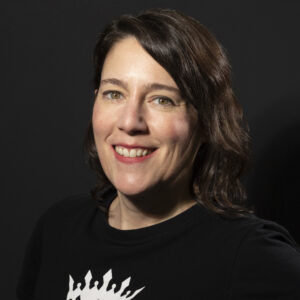
- Derby name: Miss Print (she/her)
- Position(s): Principal owner, retired skater, and co-founder and former assistant coach of the Cincinnati Junior Rollergirls
- Derby debut year: 2006
- CRG debut year: 2006
- Gear: MacBook, iPhone
- Awards: I’ll Be There For You (Most Reliable) nominee 2011; Most Improved nominee 2010; Sweetest Rollergirl nominee 2009 and 2010
- Fun fact: Appeared in 2008 ESPN piece “Roller Derby Revival”
-

Wicked Widget #314 Wicked Widget #314
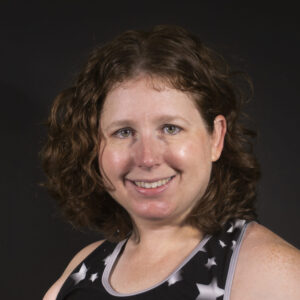
- Derby name: Wicket Widget (she/her)
- Skater number: 314
- How did you choose your derby name? I’m an engineer. And wicked. And alliteration is fun.
- Position(s): Blocker
- Derby debut year: 2019
- CRG debut year: 2019
- Previous sports/athletic background: Fencing
- Gear: Solaris boots, Powerdyne Reactor Pro Plates, orange Atom Savant wheels (the orange is important), a clean mouthguard
- Cross-training regimen: Powerlifting
- Fun fact: I love all my CRG teammates! They are the best.
-

Juggernaut Juggernaut

- Derby name: Juggernaut
- Skater number: ♾
- Position(s): Production Manager
- Derby debut year: 2019
- CRG debut year: 2019
- Previous sports/athletic background: I played deep deep right field when I played T-ball as a kid. Like, waaaaay back there.
- Gear: My pocket protector, cargo shorts and radically feathered hair-do are all I need.
- Cross-training regimen: I’m very into fitness. Fitness whole dang pizza in my mouth.
- Derby awards: I came here for fame, glory, and the adoration of millions of fans.
- Fun fact: A peanut is neither a pea nor a nut, it is in fact, a legume. ? The more you know ?
-
Mystic Spiral #8 Mystic Spiral #8
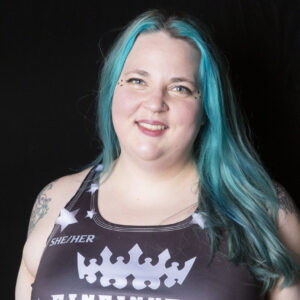
- Derby name: Mystic Spiral (She/her)
- Skater number: 8
- Derby debut year: 2022
- CRG debut year: 2022
-

Mix Match #513 Mix Match #513
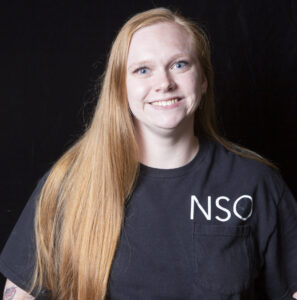
- Derby name: Mix match (They them)
- Skater number: 513
- How did you choose your derby name? It was my junior name from when I started the for Kathy kissing
- Position(s): Blocker
- Derby debut year: My first year with derby was 2011
- CRG debut year: CJRG 2011
- Previous sports/athletic background: Derby
- Gear: 180 pads, triple 8 helmet, Rydell skates
- Fun fact: Army spouse, parent of two and cosplayer
-

Nosferhofftu Nosferhofftu
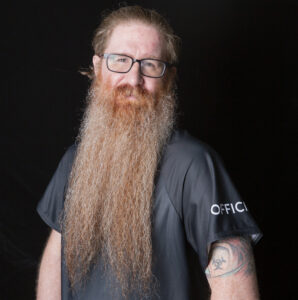
- Derby name: Nosferhofftu
- How did you choose your derby name? I’ve always liked old school horror and vampires so I went through fun horror puns and portmanteaus with Hoff and decided to go with Nosferhofftu
- Position: Head Non-Skating Official
- Derby debut year: 2019
- CRG debut year: 2019
- Gear: Stopwatches and fox 40 classic whistle
- Fun fact: I’m a huge fan of the Alien franchise (even including the newer movies)
-

Jerry Rigg #77 Jerry Rigg #77
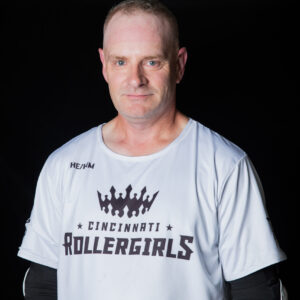
Coach Name: Jerry Rigg
Pronouns: he/him
-

Bomb Betty #17 Bomb Betty #17
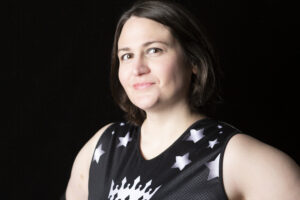
Skater Name: Bomb Betty
Pronouns: she/her
-

Bi Furious #29 Bi Furious #29
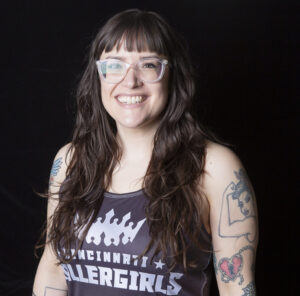
Name: Bi Furious
Number: 29
Pronouns: she/her -

Lethal Lynz Lethal Lynz

Name: Lethal Lynz
Number: 35
Pronouns: she/her